











How Wooden Cutlery Is Packed: Counting, Arranging and Protecting Every Piece for Delivery

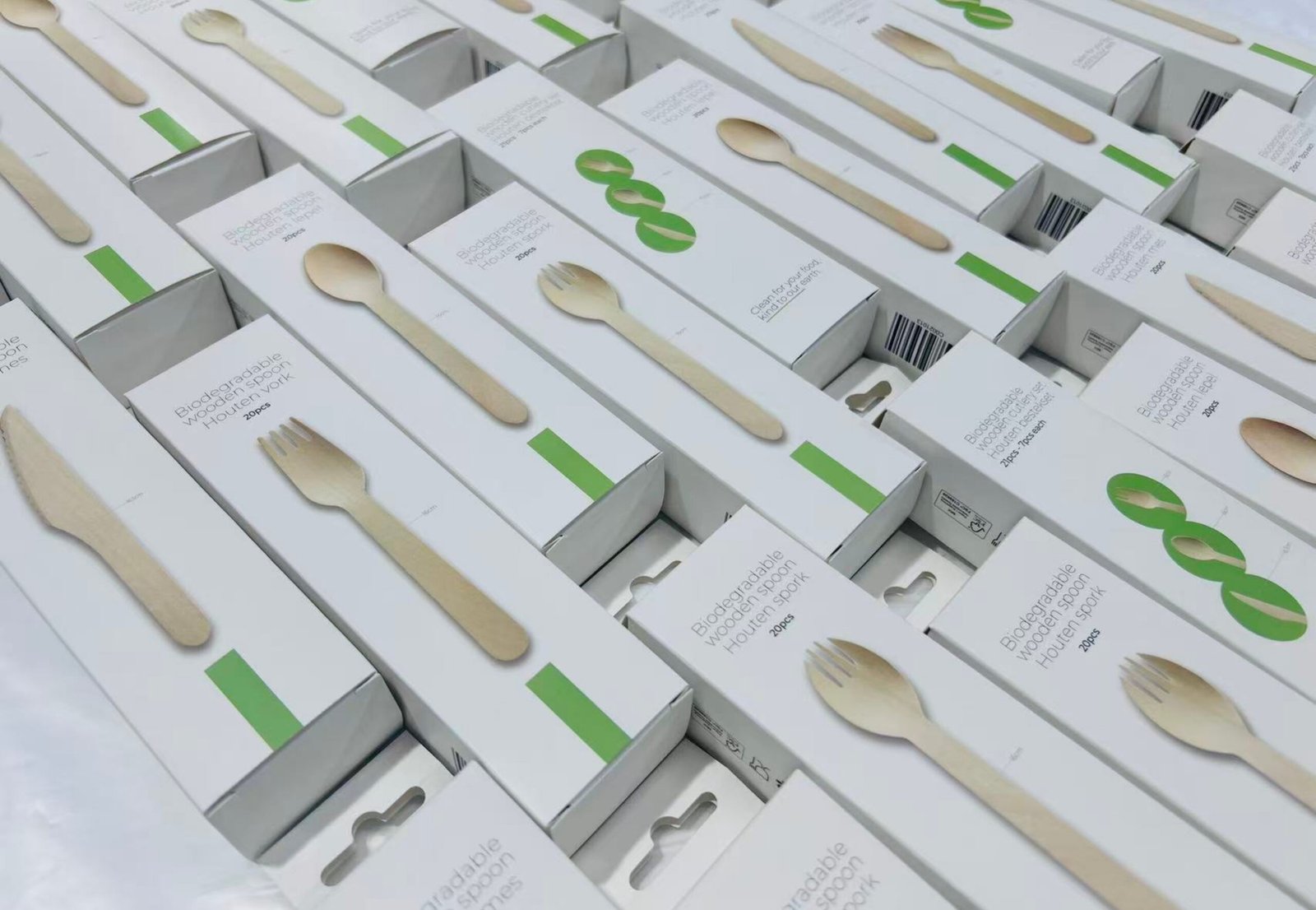
Protecting wooden cutlery from factory to food service
After sourcing, shaping and finishing, the wooden cutlery is almost ready.
It has been made from carefully selected birch. It has been shaped into spoons, forks or knives. It has been dried, polished, checked and sterilised.
But the journey is not complete until the cutlery is packed properly.
For restaurants, cafes, hotels, caterers and takeaway businesses, packaging may seem like the final small step. But good packaging protects everything that came before it. It helps keep the cutlery clean, secure, organised and ready for use.
A product can be well made, but if it is packed poorly, it can still arrive damaged, messy or difficult to use. That is why packaging is part of quality.
Packaging is part of the product experience
When a customer receives wooden cutlery, they do not only see the spoon, fork or knife. They also experience how it arrives.
Is it clean? Is it arranged neatly? Is the quantity correct? Is the packaging easy to handle? Does the product look protected and professional?
For food service businesses, these details matter. We undertsand that a cafe needs cutlery that is easy to store and use during busy service. A caterer needs packs that are organised and reliable for events. A hotel needs products that look clean and presentable. A takeaway business needs packaging that protects the cutlery through delivery.
Good packaging makes the product easier to use before it even reaches the customer’s hand.
Arranging the cutlery correctly
Before the cutlery is packed, we arrange the pieces in the correct direction.
For spoons, the heads and handles should face the same way. Forks and knives also need to be aligned properly. This keeps the pack neat and stable.
Correct orientation is important because it helps the pieces sit together properly inside the package. If the cutlery is placed randomly, the pack can become uneven. The pieces may press against each other in the wrong way, creating more movement and more risk of damage.
Neat arrangement also makes the product easier for the customer to handle. When a restaurant opens a pack, the cutlery should be ready to use, not tangled, messy or difficult to separate.
Counting the right quantity
Packaging also has to be accurate.
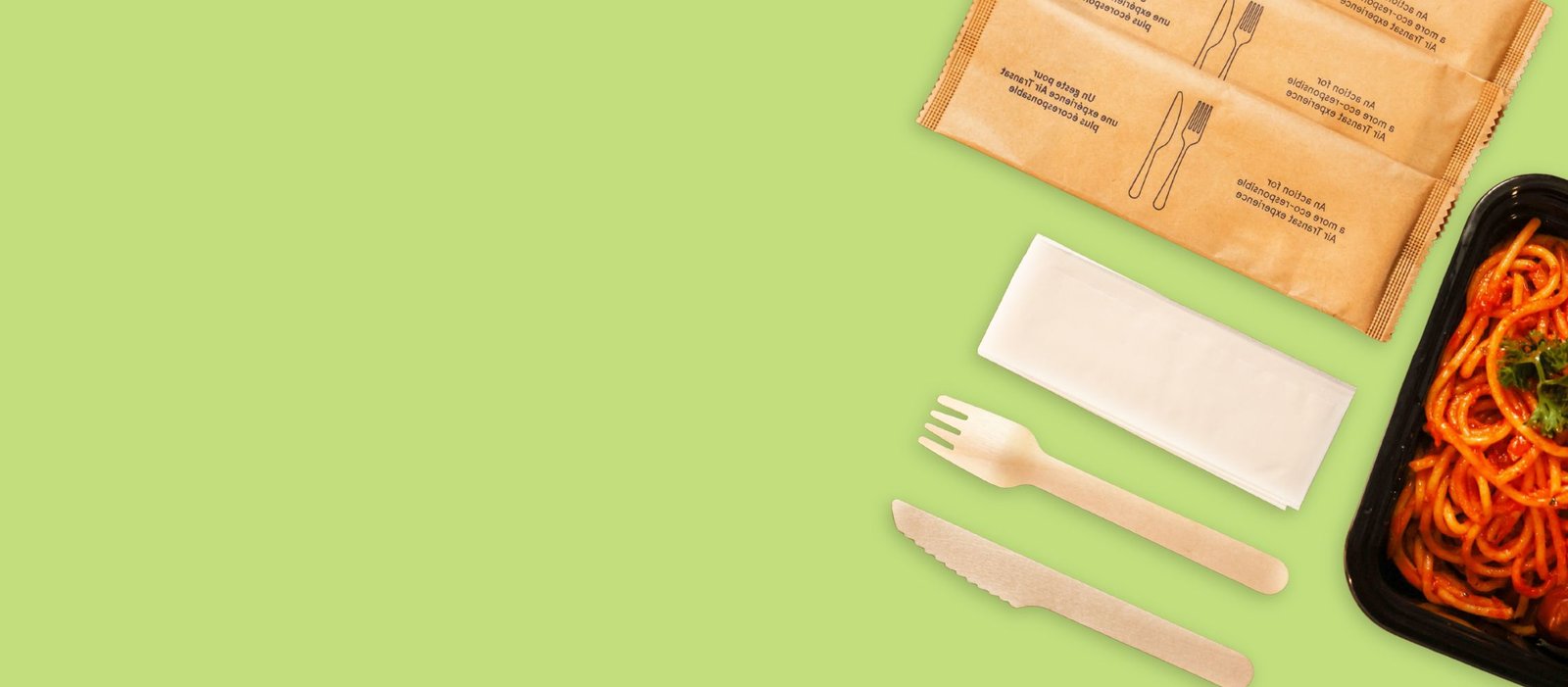
A common packing format is one hundred pieces per bag, but the exact quantity depends on the customer’s order and requirements. Some customers may request smaller packs. Others may need larger quantities. Some may request individual wrapping for hygiene, convenience or service style.
The important point is that the pack must contain the correct number of pieces.
For a food service business, this is not a small issue. If a caterer orders cutlery for an event, the quantity must be reliable. If a restaurant receives packs for daily service, they need to trust the count. If a chain distributes cutlery to different locations, the pack size must match the way each location operates.
Accurate packing helps businesses plan better, store better and serve customers without unnecessary waste or shortage.
Packing for different customer needs
Not every business uses cutlery in the same way.
A small cafe may need packs that are easy to store behind the counter. A busy takeaway restaurant may need larger quantities ready for fast service. A catering company may need cutlery packed in a way that makes setup easier at events. A large restaurant chain may need pack sizes that match the daily use of each location.
This is why packaging can be adjusted based on customer needs.
Some products may be packed in bags of one hundred pieces. Some may be packed in larger units for distribution. Some may be individually wrapped. Some may be prepared in specific quantities so the customer can move them directly into service without extra sorting.
Good packaging should support the way the customer works.
It should not create more work for the business. It should make storage, handling and daily use easier.
Protecting the cutlery inside the pack
The pack must be matched carefully to the exact quantity of cutlery inside. There should not be too much empty space or air inside the package. If the cutlery has too much room to move, the pieces can rub against each other during transport.
Too much movement creates friction. Friction can damage the surface, the edges or the appearance of the cutlery. It can also make the pack look less neat when it arrives.
This is why the cutlery should be packed tightly and carefully. The pieces need to be secure enough to stay in place, but not pressed so badly that they become damaged or deformed.
The right fit helps protect the finish.
Reducing movement during transport
Transport can be rough.
Products may be moved between factory, warehouse, truck, storage room and final customer. Along the way, boxes may be lifted, stacked, shifted or handled many times.
If the cutlery is loose inside the packaging, movement can slowly damage the product. Even small repeated friction can affect the smooth surface or clean appearance of wooden cutlery.
This is why empty space inside the pack should be reduced. The packaging should hold the cutlery securely so the pieces do not move too much.
Good packaging helps make sure the product that leaves the factory is still the product the customer receives.
Keeping the product clean
The inner packaging helps keep the cutlery clean after sterilisation.
Once the product has passed finishing and sanitary preparation, it needs to be protected from dust, dirt and unnecessary handling. Sealed packaging helps preserve cleanliness until the customer opens the pack.
For food service businesses, this is very important. Cutlery is used directly with food. It may be placed beside takeaway meals, on catering tables, in hotel service areas or behind restaurant counters.
The packaging must help keep the product ready for food service use.
Outer packaging for storage and delivery
After the inner packs are prepared, they are placed into outer packaging for storage and delivery.
The outer packaging must be strong enough to protect the product during handling and transport. It should keep the packs secure, reduce movement and help prevent crushing or damage.
The cartons or outer boxes are sealed carefully so the contents remain protected during the journey. This is especially important when products are shipped in larger quantities or moved through warehouses and delivery systems.
Good outer packaging also helps with storage. Businesses need boxes that are practical to stack, move and open when needed.
Why this matters for your business
Packaging affects the way a business receives and uses wooden cutlery.
If the cutlery arrives clean, neat and well protected, it is easier to trust the product. Staff can open the pack and use it with confidence. The quantity is clear. The pieces are arranged properly. The product looks ready for service.
If the packaging is poor, the opposite happens. Pieces may move around too much. Edges may be damaged. Packs may look messy. The product may be harder to store or count. In some cases, poor packaging can make even good cutlery feel lower quality.
For food service businesses, packaging supports daily operations.
It helps with stock control. It helps with hygiene. It helps with storage. It helps with presentation. Most importantly, it helps protect the customer experience.
The final stage of the journey
Packaging is the final stage before wooden cutlery reaches the customer.
By this point, the product has already passed through a long journey. It began in the forest, with responsible birch sourcing. It was softened, cut, peeled, shaped, dried, polished, checked and sterilised. Now it must be protected until it is ready to serve.
Good packaging makes sure the work done in every earlier stage is not lost.
It keeps the cutlery clean. It keeps the quantity accurate. It keeps the pieces secure. It reduces friction during transport. It helps the product arrive in the condition customers expect.
For restaurants, cafes, hotels, caterers and takeaway businesses, that reliability matters.
Wooden cutlery may be disposable, but the experience should still feel careful, clean and professional from the forest to the final meal.
€ 1,55 – € 7,74Price range: € 1,55 through € 7,74each
Select options
This product has multiple variants. The options may be chosen on the product page

€ 1,35 – € 33,76Price range: € 1,35 through € 33,76each
Select options
This product has multiple variants. The options may be chosen on the product page
€ 1,30 – € 32,45Price range: € 1,30 through € 32,45each
Select options
This product has multiple variants. The options may be chosen on the product page
€ 1,30 – € 32,45Price range: € 1,30 through € 32,45each
Select options
This product has multiple variants. The options may be chosen on the product page


