Production Journey

How to source birch wood for wooden cutlery

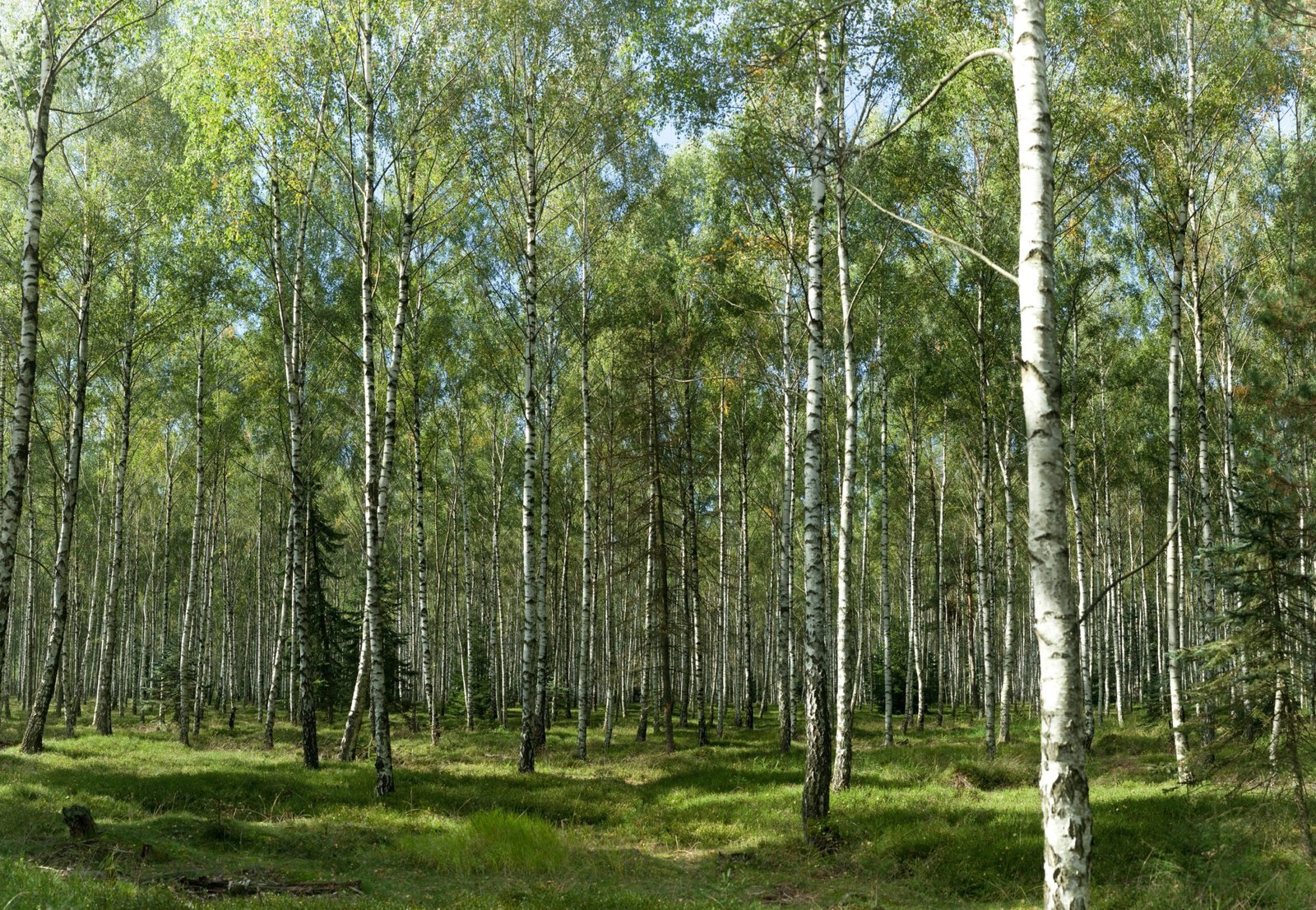
The journey of every disposable wooden fork, spoon and knife begins long before it reaches your table. It begins in the forest.

For a restaurant, cafe, hotel or caterer working with wooden cutlery, the forest may not be the first thing that comes to mind. Yet the origin of the wood affects everything your guest feels in their hand. It affects the strength, the smoothness, the colour, the safety and the reliability of every piece of cutlery.

In this first step of the journey, we take you back to the very beginning. Where does the wood come from, why do we choose birch, and why does responsible sourcing make such a difference for food service businesses?

Is birch wood best for cutleries?

Not every type of wood is suitable for food contact. Birch wood has qualities that make it especially suitable for disposable wooden cutlery. It has a fine and even grain, which helps the surface finish smoothly. It is also naturally strong and light, so a spoon does not bend easily in a warm meal and a fork stays firm enough for a full takeaway box.

For a food truck serving hundreds of portions a day, or a caterer preparing for a wedding or corporate event, that reliability matters. Cutlery that snaps, bends, splinters or feels rough will be noticed by the customer. Birch gives the quiet confidence that every piece can do what it is made to do.

But choosing birch is only the beginning. The real quality starts with choosing the right birch.

Our Responsible Sourcing Protocol

First we have to understand that wooden cutlery is not the only industry using wood. We compete with furniture makers and other wood based industries for raw materials. This makes careful selection even more important. We cannot simply buy any available log. We need the right log, from the right part of the tree, with the right shape and quality.

Wooden cutlery production uses minimal raw material conpared to inductries like funiture. Various suppliers have a minum order quanity which is based on the that of the funiture producers and for culery industry like us, this is significantly high as we aim to avoid waste. This already posses the first challenge.

How to get the right amount of raw material. 

If we get too much or wrong wood, it creates waste and puts more pressure on the environment.

Responsible sourcing is not only about buying wood. It is about knowing where the wood comes from, how it is harvested, and whether it is suitable for food grade wooden cutlery.

The birch must come from legally approved and environmentally managed areas. The forests must be approved for harvesting by the government of the country where the wood is sourced. This helps make sure the material does not come from protected or unsafe forest areas.

What Part of the Birch is Best for Cutlery

A birch tree may look like one complete material from the outside, but for our wooden cutlery production, different parts of the tree behave very differently.

The root section cannot be used. The lower butt section, which is the part closest to the root, is also not ideal for our production. This part can have darker colour, stronger grain, rougher texture and more visible lines. It may be acceptable for some wood products, but it is not suitable for the clean and smooth finish we need for our food contact cutlery.

The upper section of the tree is also not suitable, especially where the branches begin to grow out. This area usually contains more knots. Knots create inconsistency in the texture of the wood. They can also cause defects during cutting, uneven colour and weak points in the final product.

For wooden cutlery, these details matter. A knot or rough section may look small in the raw log, but during production it can lead to broken pieces, poor cutting results, uneven surfaces or visible defects. This increases waste and reduces the quality of the final product.

The best part is the middle section

The most suitable part of the birch tree is the clean middle section of the trunk. This part gives the consistency we need in texture, colour and material health. It is straighter, cleaner and more stable for cutting.

This middle section helps us produce wooden cutlery that is smooth, light in colour and consistent from one piece to another. It also helps reduce the risk of splintering and improves the final feel of the product in the customer’s hand.

For food service businesses, this consistency is very important. A restaurant, cafe or caterer does not want one batch of cutlery to feel smooth and another batch to look dark, rough or uneven. The customer experience should be reliable every time.

The shape of the log matters too

Another important part of our sourcing protocol is the shape of the log. The best logs for wooden cutlery production are round, straight and even.

A round log is much better than an oval shaped log because it reduces waste during cutting. If a log is oval, extra material has to be removed first to create a usable round shape before production can move forward. That means more wood is wasted before the cutlery is even made.

This is why the shape of the raw log directly affects production efficiency. A better shaped log allows more of the material to be used properly. It also helps produce more consistent sheets and more reliable cutlery pieces.

Good sourcing reduces waste

When people think about sustainability, they often only think about the final product. But sustainability starts much earlier. It starts with the forest, the tree, the log and the section of wood that is selected.

Good sourcing helps reduce waste because we avoid unsuitable sections from the beginning. It also improves production quality because the material is cleaner, more consistent and easier to cut. This means fewer defects, fewer rejected pieces and a better final product.

For us, sourcing is not only about buying wood. It is about making responsible decisions before production begins. It is about protecting quality, reducing waste and making sure the material is suitable for the purpose it will serve.

More guests are paying attention to what is on their plate and what is placed beside it. A business that chooses wooden cutlery is already telling a story about care, sustainability and conscious decision making.

But that story is only believable if it holds up from the beginning. Wooden cutlery should not only look natural at the table. It should come from responsible sourcing, careful material selection and proper quality control.

When your cutlery is made from well selected birch, it gives your customers a better experience. It feels smoother, looks cleaner and performs more reliably. It also gives your business a stronger story to share with customers who care about sustainability and quality.


The start of a longer journey

Sourcing is only the first step. From the forest, the birch wood continues through a full production journey. It is cut, shaped, finished, checked and packed before it is ready to serve.

But everything that comes after depends on this first choice. Good wooden cutlery starts with good wood. And good wood starts with responsible sourcing, careful log selection and a clear understanding of which part of the tree is suitable for the product.

In the next part of this series, we will take you through how we shape raw birch wood into the cutlery your guests use, and why precision and consistency make all the difference along the way.

Price range: € 1,55 through € 7,74each
Price range: € 1,35 through € 33,76each
Price range: € 1,30 through € 32,45each

Leave a Reply

Your email address will not be published. Required fields are marked *